

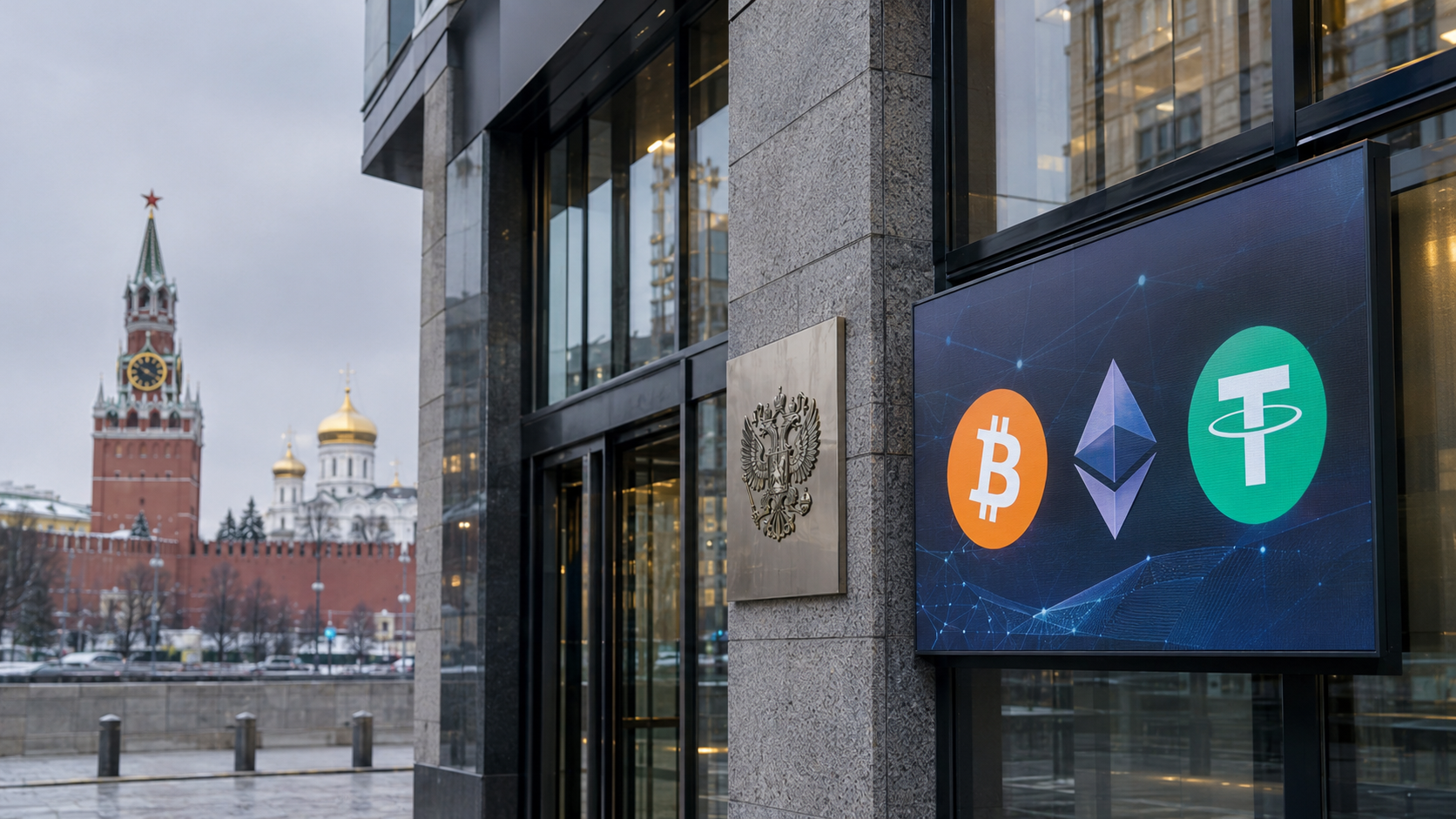

Moscow, Russia, November 17, 2026 — New cryptocurrency access rules from the Bank of Russia have taken effect, allowing non-qualified investors to purchase Bitcoin, Ether and Tether’s USDT through authorised intermediaries under specified limits.
The regulatory change establishes a defined route for retail participation in selected digital assets while maintaining restrictions on the amount non-qualified investors can purchase. The central bank’s directive took effect on November 17, following its publication earlier in the month.
Background
Russia has been developing a more structured framework for cryptocurrency transactions, with the central bank previously maintaining a restrictive position on widespread domestic crypto use.
The new rules distinguish between qualified and non-qualified investors. Qualified investors receive broader access to cryptocurrency assets, while non-qualified participants are limited to a list of selected assets that meet regulatory criteria.
The framework reflects an effort to introduce controlled market access rather than unrestricted retail participation.
Key Developments
The approved list for non-qualified investors includes Bitcoin, Ether and USDT. These assets were selected based on factors including market capitalisation, average daily trading volume and a minimum five year pricing history on foreign exchanges.
Non-qualified investors can purchase the permitted cryptocurrencies through intermediaries such as brokers, trust managers and crypto exchange offices. Transactions may take place through exchange based and over the counter markets.
The annual purchase limit is set at 300,000 Russian rubles through a single intermediary. Investors must also complete the relevant knowledge assessment and review cryptocurrency investment risks before conducting transactions.
Qualified investors, by contrast, can access other crypto assets without the same restrictions under the directive.
The rules do not mean that all cryptocurrencies are now freely available to the general public. Access remains dependent on the investor’s classification, the approved asset list and the applicable intermediary requirements.
Industry Implications
The move creates a regulated entry point for retail cryptocurrency exposure in one of the world’s major economies. Including USDT alongside Bitcoin and Ether is also notable because it recognises a stablecoin as part of the permitted asset selection.
For financial intermediaries, the framework could create opportunities to develop compliant cryptocurrency services. Brokers and exchange offices will need to operate within the new limits and ensure that customer eligibility and risk assessment requirements are followed.
The restrictions also show that the central bank is continuing to favour controlled access over an open retail crypto market. The limited annual allowance and narrow asset list may constrain participation, particularly among investors seeking exposure to smaller digital assets.
What’s Next
Market participants will be watching how Russian exchanges and intermediaries implement the new rules, how many non-qualified investors enter the market and whether the Bank of Russia considers expanding the approved list in the future.
The framework’s practical impact will depend on the availability of compliant services and the extent to which investors use the newly permitted channels.

Crypto Chain Wire specifically designed for crypto, NFT, DeFi and all other blockchain companies to provide them instant and effortless crypto news syndication services. CryptoChainWire is the best PR syndication platform for any blockchain startup looking to gain maximum media attention.


